
Taking Ownership: The Responsibility of Leadership
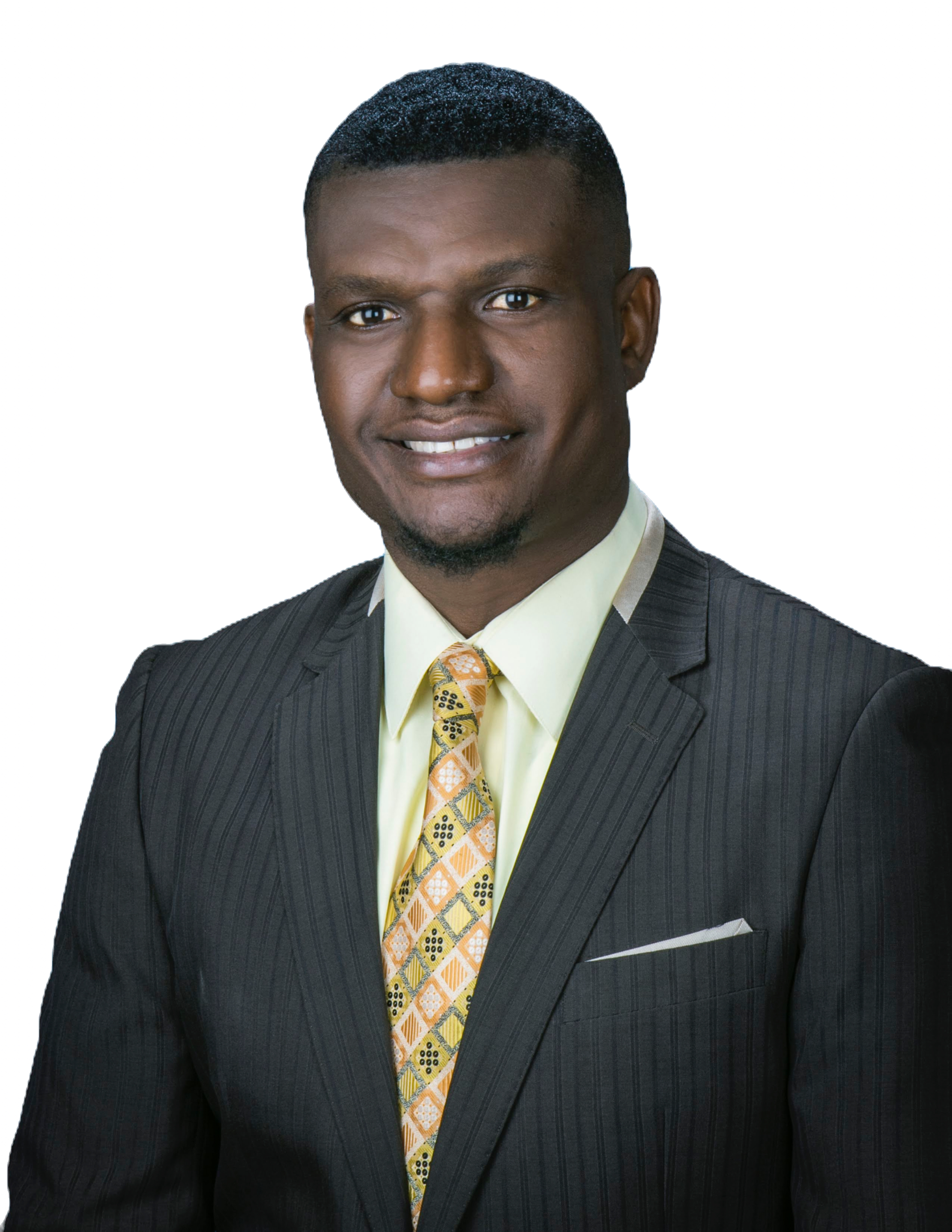
By Pastor Edisson Charles

Responsibility is one of the clearest signs of mature leadership. A responsible leader understands that accepting a position also means accepting the duties connected to it.
In Bible-based leadership, responsibility is not primarily about exercising authority over others. It is about faithfully caring for the people, opportunities, and assignments God has placed in our hands. Leadership is a form of stewardship, and trustworthy leaders take ownership of what has been entrusted to them.
Do Not Shift the Blame
When something goes wrong, weak leadership quickly searches for someone else to blame. Responsible leaders begin by examining their own decisions, actions, and preparation.
They are willing to say, “I could have handled this better,” and then make the necessary correction. Taking responsibility does not make a leader appear weak. It demonstrates humility, maturity, and courage. It also builds confidence because people are more likely to trust leaders who acknowledge mistakes and learn from them.
From the beginning of Scripture, we see the consequences of avoiding responsibility. When God confronted Adam and Eve after their disobedience, both attempted to shift the blame. Their response reminds us that refusing ownership may be natural, but mature leadership requires something greater.
Responsible leaders do not waste their energy protecting their image. They focus on correcting the problem, learning from the experience, and moving forward with wisdom.
Be Dependable in Your Assignment
Whether leading in a church, family, community, ministry, workplace, or organization, people should be able to depend on their leader.
Responsible leaders keep commitments, complete assignments, arrive prepared, communicate when circumstances change, and follow through on what they promise. They understand that seemingly small responsibilities reveal the true condition of a person’s character.
Jesus taught, “Whoever can be trusted with very little can also be trusted with much” (Luke 16:10, NIV). Leadership credibility is often developed through consistent faithfulness in ordinary responsibilities long before someone is entrusted with greater authority.
When leaders reliably fulfill their responsibilities, they create stability and encourage others to become more dependable as well.
Responsibility Sets the Example
People often learn more from what leaders demonstrate than from what leaders demand. A leader cannot reasonably expect commitment, preparation, and accountability from others while consistently failing to demonstrate those same qualities.
When leaders take their responsibilities seriously, others are encouraged to do the same. This creates a culture in which people stop waiting for someone else to solve every problem and begin asking, “What can I do to help?”
Scripture teaches that “each one should carry their own load” (Galatians 6:5, NIV). Although leaders should support and serve others, every person must also recognize the meaningful part they have been called to play.
The result is a stronger team in which responsibility is shared, people take initiative, and everyone understands that their contribution matters.
Responsibility Makes Leadership Trustworthy
A title may give someone authority, but responsibility makes that authority dependable. Strong leaders do not disappear when situations become difficult. They remain present, accept their duties, communicate honestly, and work toward solutions.
Taking ownership does not mean that leaders must perform every task themselves. Effective leaders delegate, develop others, and share responsibilities wisely. However, delegation does not remove accountability. Leaders must remain engaged and ensure that the mission continues moving forward.
Leadership is not proven by how much responsibility a person can give to others. It is revealed by how faithfully that person carries what has been entrusted to them.
Lead With Ownership
Responsible leadership begins with a simple but important question: “What has been placed in my hands, and how faithfully am I caring for it?”
Mature leaders do not blame others, neglect their assignments, or depend on their titles to earn trust. They accept ownership, remain dependable, correct their mistakes, and lead through their example.
When leaders consistently demonstrate responsibility, they strengthen trust, create stability, and help build a culture in which everyone is prepared to contribute.


Comments